
The Most Cost-Effective TikTok Digital Marketing Strategy for 2025

Jing
January 1, 197035 min read

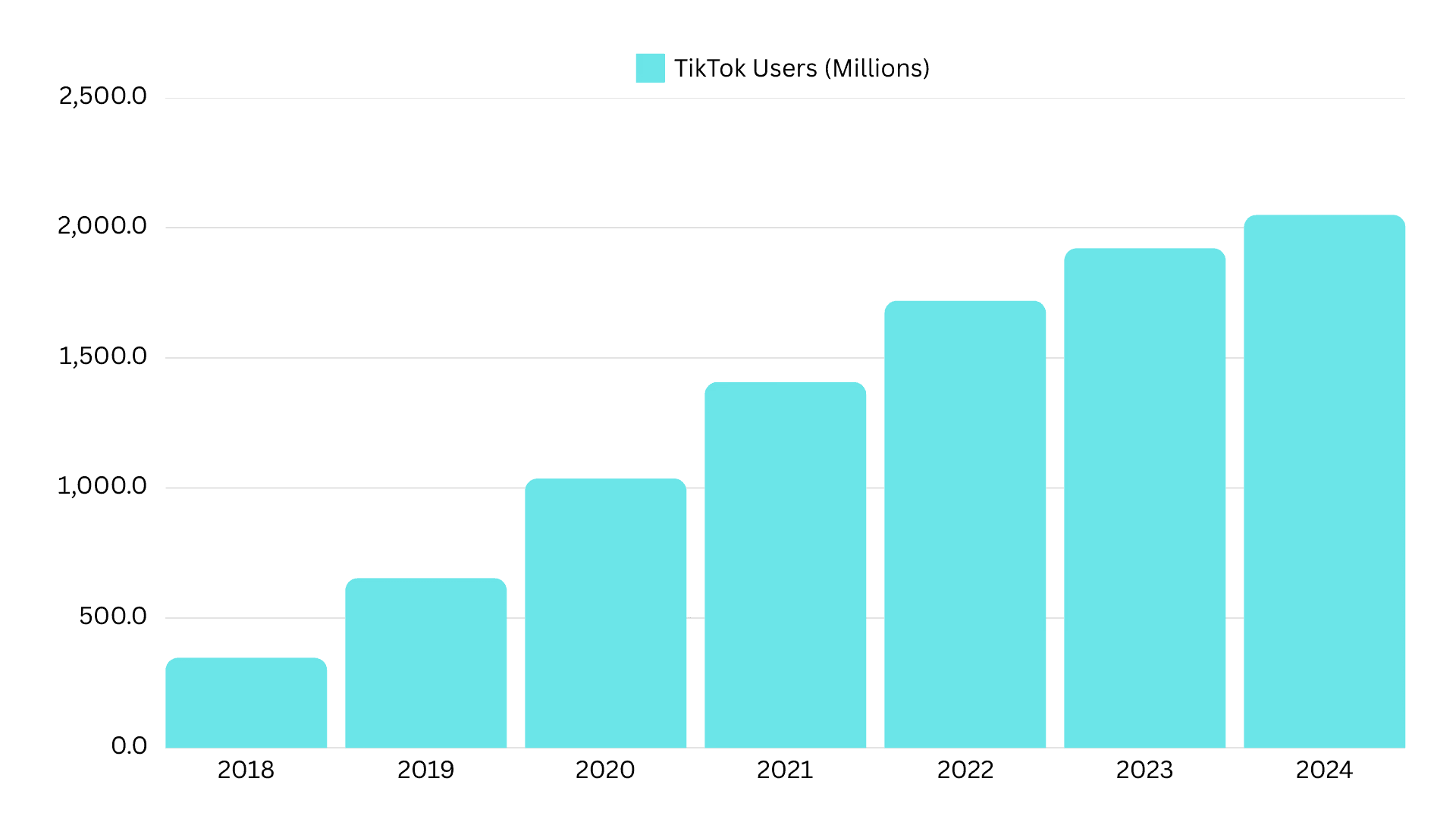
In the contemporary digital marketing landscape, TikTok has evolved from an emerging social media platform into a global traffic powerhouse. Its unique algorithm and highly active user base make it an exceptionally cost-effective marketing channel. By 2025, TikTok boasts over 1.8 billion monthly active users globally, with 79% of them aged between 13 and 34. These users don't just see TikTok as an entertainment tool; they increasingly use it as a primary platform for searching and discovering brands. For businesses seeking efficient marketing methods, TikTok offers unparalleled potential for explosive growth that traditional search engines cannot match.
1. Why TikTok Digital Marketing is Essential in 2025
1.1 Explosive Traffic Growth and User Engagement
TikTok's traffic growth is nothing short of phenomenal. It has transformed from a simple short-video app into a central hub for global internet traffic. Recent data indicates that TikTok has surpassed 1.8 billion monthly active users, with the Asia-Pacific region contributing to 45% of new user growth. In the United States alone, TikTok has reached 170 million users, with a staggering 74% of Gen Z preferring it as their primary search platform—even over traditional search engines like Google. This fundamental shift in user behavior means that for brands aiming to reach younger audiences, TikTok has transitioned from an "optional" channel to an "essential" one.
The platform's users spend an average of over 90 minutes per day on the app, creating ample exposure opportunities for brands. This high-engagement environment, combined with a precise algorithmic recommendation system, makes TikTok a core weapon for capturing the Gen Z demographic—a group that not only influences current consumption trends but also represents the dominant market force of the future.
1.2 TikTok: The New Generation Search Engine
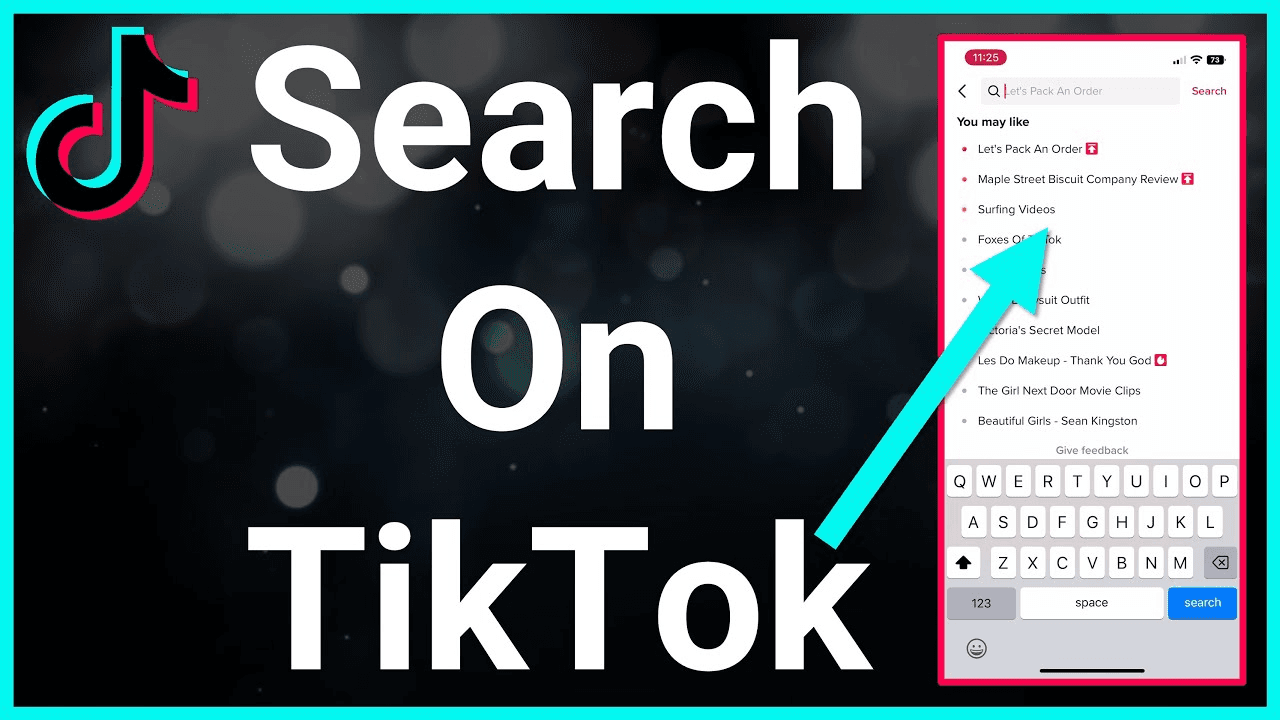
Contrary to traditional understanding, TikTok is rapidly evolving into the next-generation search engine. According to surveys by TechCrunch, many Gen Z users now prefer searching for information on TikTok or Instagram over Google. This shift is driven by TikTok's visual intuitiveness and immersive content experience—users don't just find text-based instructions; they can visually see product effects, tutorial steps, and authentic experiences through video.
TikTok's official team has actively responded to this trend by enhancing its search functionality, making content easier to discover. On TikTok, 83% of users discover new content through the "For You" page, meaning that well-optimized content can attract both active searchers and gain passive exposure through algorithmic recommendations, creating a dual traffic source.
1.3 Capturing Traditional SEO Traffic
As younger users adopt TikTok as their primary search platform, traffic is being diverted from traditional search engines. Data shows that TikTok videos can maintain their ranking in search results for several weeks, offering more stable long-term traffic compared to the constantly changing Google algorithms.
This shift is forcing marketers to reconsider their SEO strategies. Today, Video SEO is as crucial as traditional web SEO. Brands need to extend their keyword optimization strategies to TikTok, ensuring they can be found by their target audience on both platforms by strategically using keywords in video titles, descriptions, and captions. Cross-platform visibility not only maximizes reach but also significantly enhances brand recognition through content consistency.
2. How TikTok Digital Marketing Differs from Traditional SEO
2.1 Interest-Based Algorithm and Viral Potential
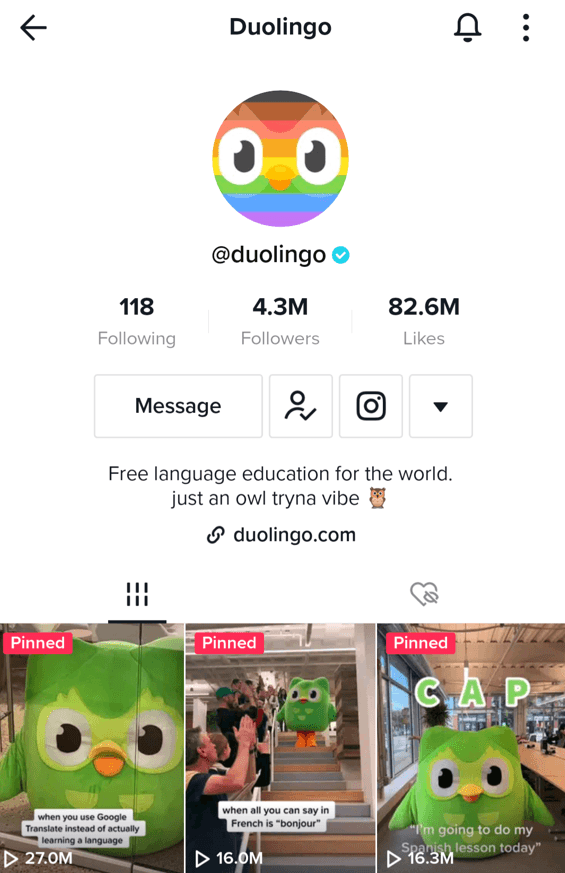
Compared to traditional SEO, TikTok's greatest advantage lies in its interest-based recommendation algorithm, which significantly increases the potential for content to go viral. The core of TikTok's algorithm analyzes user behavior—including likes, comments, shares, and rewatches—to determine what content to recommend. This mechanism means that even new accounts with zero followers have the chance to reach millions of users if their content resonates strongly.
Unlike traditional SEO, TikTok SEO places more emphasis on immediate user feedback than on backlinks or domain authority. Key engagement metrics include:
- Completion Rate and Rewatch Rate: The weight of these metrics increased further after a 2021 algorithm update.
- Engagement Rate: A like rate of >6% and comment rate of >0.4% are key thresholds for entering advanced traffic pools.
- Viewing Depth: The "visual hook" in the first 3 seconds is crucial for retaining users, with an impact 47% higher than on traditional search engines.
This engagement-dependent algorithm enables TikTok to rapidly generate traffic and create "grass-planting" effects (inspiring purchase desire), which is difficult to achieve through traditional SEO.
2.2 Balancing Stability and Explosive Growth
While TikTok excels at driving explosive growth, traditional SEO provides more stable and longer-lasting traffic. SEO-optimized web content can rank in search results for years, consistently delivering organic traffic, whereas TikTok content typically peaks within hours of posting and then declines rapidly.
This difference doesn't mean you have to choose one over the other; instead, you should use both strategies synergistically. Smart brands combine TikTok's explosive potential with SEO's stability to create a comprehensive digital marketing ecosystem. For example, a viral video on TikTok can be repurposed into blog content, adding SEO value and extending the content's lifecycle.
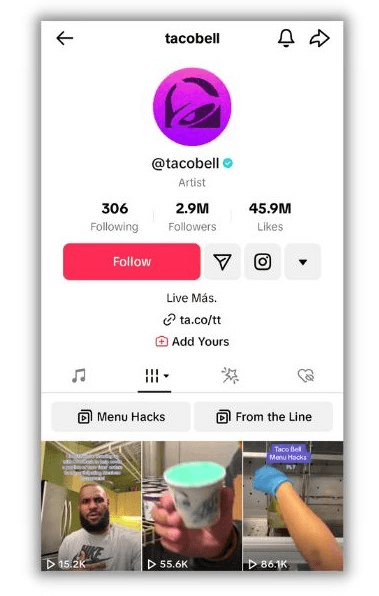
Real-world cases show that a cross-border learning supplies brand achieved a 40% increase in monthly sales in the US market by combining YouTube review videos (for rational decision-making) with TikTok short videos (for rapid "grass-planting"). This demonstrates the power of cross-platform synergy—using TikTok at the top of the funnel to create buzz, and YouTube in the middle to build trust, forming a complete user conversion path.
3. Cost-Effective TikTok Marketing Strategies for 2025
3.1 Initial Phase: Lead with Knowledge Sharing, Avoid Hard Sales
The key to successful marketing on TikTok lies in understanding its core nature—it is a content-first platform, not an advertising space. In the initial stages, you should completely avoid direct product promotion and instead focus on attracting your target audience with valuable content.
Wrong Approach: Directly promoting "Does 'SleepyTime Blend' tea help with sleep?"—this type of obvious advertisement struggles to generate user interest and may even cause interest lost.
Correct Approach: Sharing valuable knowledge, such as "What are the classifications of tea, and why does Chamomile tea containing apigenin help with sleep?"—this method provides practical value by satisfying users' desire to "learn something," thereby establishing brand expertise and trust.
This "knowledge-sharing first" strategy aligns with TikTok users' demand for authentic content. Data indicates that educational guide videos have an 18-month retention rate 3.2 times higher than purely entertainment content. This means that investing in high-quality educational content initially can yield long-term returns. Brands can naturally attract potential customers by answering user questions, sharing industry insights, and providing practical tutorials, rather than through direct sales pitches.

3.2 Content Rhythm: Balancing Value and Promotion
After accumulating a certain number of followers, it's crucial to carefully balance content types to maintain user interest while achieving commercial goals. A 3:1 content ratio is recommended—for every three pieces of knowledge-sharing content, publish one product promotion video.
This ratio ensures that the account primarily provides value, preventing users from feeling overwhelmed by sales pitches. Even promotional content should avoid hard-selling, instead巧妙地 integrating the advertisement into valuable content:
- Example 1: "The best 5 teas for sleep..."—Introducing your product within a collection format reduces the direct sales feel.
- Example 2: A genuine product testing record video—Showcasing real usage experiences enhances credibility.
- Example 3: Promoting your product through an interesting story—Leveraging the narrative formats beloved by TikTok users.
This balanced approach aligns well with TikTok's "Content-Search-Service" agile response system, maintaining user engagement while gradually guiding them through the marketing funnel towards conversion.
3.3 Leveraging AI Tools to Accelerate Content Production
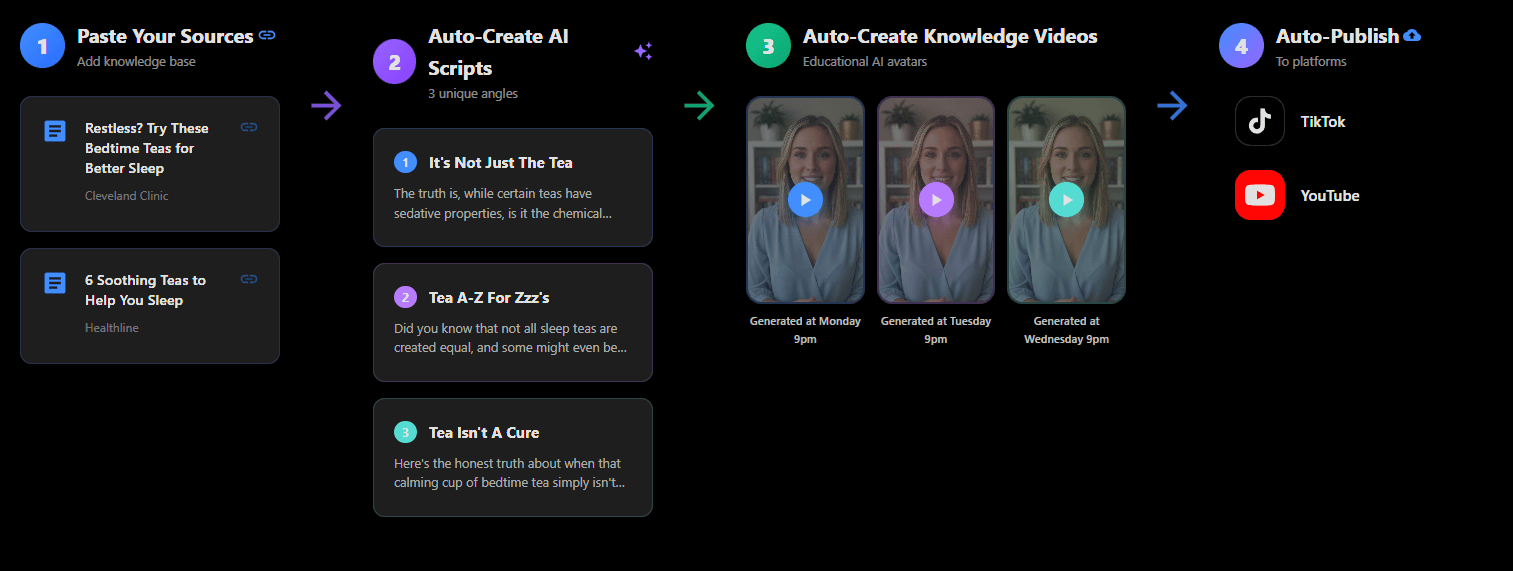
By 2025, AI tools have become a revolutionary force in TikTok content creation, significantly reducing production costs and improving efficiency. AI script generation efficiency has increased by 60%, enabling brands to quickly transform existing SEO articles into engaging video content.
Using tools like CircleStudio or Copy.ai, you can simply paste your SEO article to generate knowledge-sharing videos, offering multiple advantages:
- Enhanced Authority and Credibility: When users encounter consistent content on both video platforms and search engines, their trust in the brand increases.
- Improved Overall Web Authority: Video content and SEO articles reinforce each other, enhancing visibility across all platforms.
- Time and Resource Savings: By focusing on creating high-quality SEO articles, you can simultaneously gain video traffic without additional investment.
This cross-platform content linkage strategy is one of the most cost-effective marketing methods in 2025. Data shows that brands with consistent multi-platform content see a 60% increase in user awareness and a 40% reduction in mini-program activation costs.
3.4 Format Standardization and Content Diversification
To improve content production efficiency while keeping the audience engaged, we recommend adopting a "format standardization, content diversification" strategy. This means maintaining a consistent video structure and visual style while constantly varying themes and perspectives.
Format Standardization can significantly save time costs:
- Video Opening: Pose a question or viewpoint, utilizing a strong "Golden 3-second" visual impact or front-loading the key benefit.
- Video Body: Clearly present points using bullet-style narration, control the pace, and switch between 3-5 shots within the first 10 seconds.
- Video Ending: Add a product website link or a follow prompt, and set up an "interaction hook" to increase watch time.
Content Diversification ensures long-term appeal:
- Example 1: "Best Valerian Root tea for sleep"—Direct recommendation-style content.
- Example 2: "Why L-theanine in Green Tea is good for sleep"—Knowledge-based explanatory content.
- Example 3: "Is Passionflower tea safe for kids?"—Doubt-resolving content.
It's important to ensure that videos do not repeat the same angle within a 3-month period, continuously providing fresh value to users. This strategy aligns with the preferences of the TikTok algorithm, which rewards creators who can maintain long-term user engagement.
4. Frequently Asked Questions (FAQ)
Q1: Is TikTok marketing really suitable for all types of businesses?
While TikTok's user base is vast, it's particularly well-suited for industries like fashion, beauty, fitness, education, home decor, and B2C services. For high-ticket items like cars and appliances, TikTok's newly launched "Automotive Ads" and "Messaging Ads" also offer effective solutions, with one brand reporting a 33% increase in conversion rate and a 63% decrease in lead cost using these features.
Q2: How can small-budget brands compete effectively on TikTok?
Focus on collaborating with micro-influencers (10k-100k followers) and nano-influencers (<10k followers), leveraging their "authentic, non-celebrity feel" to lower users' defensive barriers. Simultaneously, adopt the "70-30 Rule": invest 70% of resources in evergreen content (product tutorials/knowledge sharing) and 30% in trending topics, ensuring algorithmic stability while reducing the risk of content becoming outdated.
Q3: What are the key success factors for TikTok content?
The top three factors include: the visual hook design in the first 3 seconds (47% more impactful than on traditional search engines), completion rate (especially in the first 30 minutes), and engagement rate (likes >6%, comments >0.4%). Additionally, content should provide either emotional value (humor, comfort) or practical value (tutorials, guides).
Q4: How do we measure the ROI of TikTok marketing?
Beyond conventional metrics like view count and like rate, focus on: conversion rates tracked through TikTok Shop (live stream shopping averages 2-3x higher conversion than traditional e-commerce), high-value keywords identified via search term reports, and share rate (>0.5% indicates a potential viral hit).
Q5: What is the optimal posting frequency for TikTok content?
We recommend 3-4 fixed updates per week. Posting times should target your audience's active hours—for North American users, aim for 8 PM - 12 AM their local time; for Southeast Asian users, 3 PM - 6 PM their local time. Quality should always take precedence over quantity, ensuring every video meets platform optimization standards.